
Ingrown nails: nail braces and reconstruction.
Nail braces, nail fold protection and instruments to correct ingrown nails without surgery.

Specialties

In short
Correcting the curve, without surgery.
Nail bracing corrects the curve of the nail with a brace applied to the nail plate. It relieves pressure on the nail fold and guides the nail as it grows out.
- A non-surgical technique, done in the clinic.
- A brace chosen for the thickness and curve of the nail.
- Regular follow-up until the nail is corrected.
- Practice within the scope set by your professional order.
Knowledge and advice
All about nail correction
The causes, the techniques and the right reflexes, explained simply.
Why nails become ingrown
A nail becomes ingrown when its side edge grows into the fold of skin beside it. The skin gets irritated and painful, and it can become infected. The big toe is the one most often affected.
Several factors often add up. Recognising them helps you correct the nail, and also keeps it from becoming ingrown again.
- Nails cut too short or rounded at the corners
- Shoes that are tight at the front
- A strong natural curve, such as a pincer nail
- A thickened nail or repeated trauma
Correction techniques
Nail braces apply a gentle force that gradually straightens the curve of the nail. There are two main families: braces bonded to the surface of the nail, and wire or hook braces anchored under the side edges.
The choice depends on the thickness of the nail, its curve, the length of the free edge and the patient’s sensitivity. Fitting is usually done without anaesthesia, and the patient keeps up their usual activities.
Protecting the nail fold
During correction, it helps to relieve the nail sulcus. A tamponade placed under the edge of the nail lifts the plate away from the fold and reduces pressure.
Gutta-percha and gauze are used for this protection. Simple, essential, effective: it is often the first step to relief.
Step by step
Every treatment follows the same thread, from the first examination to the last follow-up visit.
- Assess: nail shape, inflammation, signs of infection
- Choose: the brace for the thickness, curve and length
- Fit: prepare the nail plate, fit the brace, adjust the tension
- Follow up: regular checks until the nail grows out straight
When to refer
Some situations call for a physician’s opinion before or during treatment. When in doubt, refer your patient, and always work within the scope of your professional order.
- A significant infection: pus, spreading redness, fever
- A patient with diabetes or reduced circulation
- Large granulation tissue
- Pain that does not ease despite care
Our range
Everything for nail correction
The materials, sorted by each step of the treatment.
-
Correct the nail
Nail braces, complete systems and fitting accessories.
-
Protect the nail fold
To relieve the fold during correction.
-
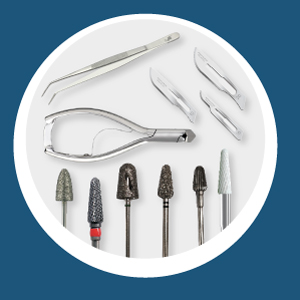
Prepare the nail plate
To thin, clean and prepare the nail before fitting.
-
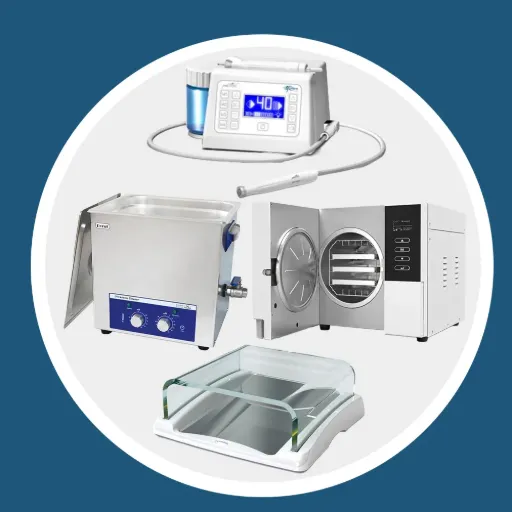
See well, work clean
Good lighting and protection with every patient.
-
Toe orthoses
Silicones for custom-made orthoses.
Frequently asked questions
Do I need training to fit nail braces?
Yes. Fitting takes hands-on training. Our workshops cover the techniques and the materials.
Who can offer nail bracing?
It depends on your professional order and province. Check your scope of practice before offering the service.
How long does a treatment take?
Several weeks to a few months, depending on the nail and how fast it grows. Regular follow-up is part of the treatment.
Can a brace be fitted on an inflamed nail?
Usually, you wait until the acute inflammation is under control. Follow the manufacturer’s protocol and your clinical judgment, and refer when needed.
Can my patient wear their usual shoes?
Usually, yes. Advise shoes that are roomy enough at the front so the toe is not squeezed.

Want to offer nail bracing?
Our team helps you choose the materials and points you to the right training.